
Safety
Industry-leading Category 3 safety package is one of many ways Columbia safeguards your team, making sure every day is safe and productive.
Flexibility
Columbia conventional palletizers can handle virtually any package type with the broadest product line available, modular layouts, and gentle product handling.
Performance
Minimum guarantee of 98% uptime, industry leading Product Manager HMI interface, available zero time tool-less changeover and Smart Diagnostics enhanced video playback.
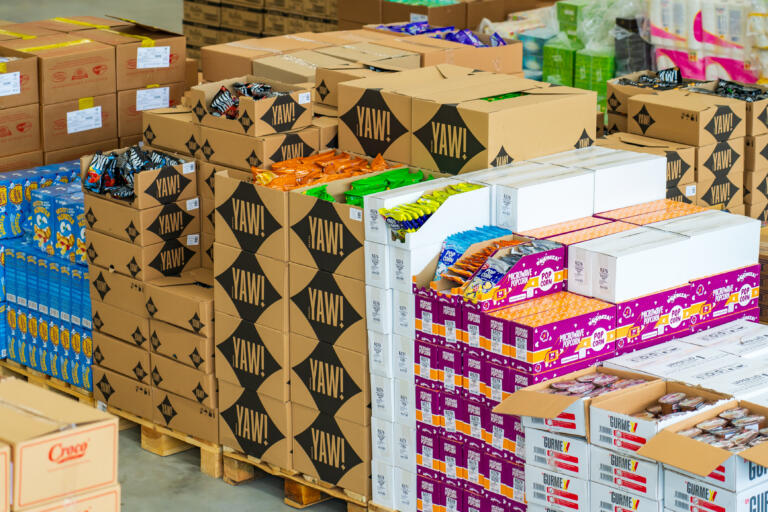
Food
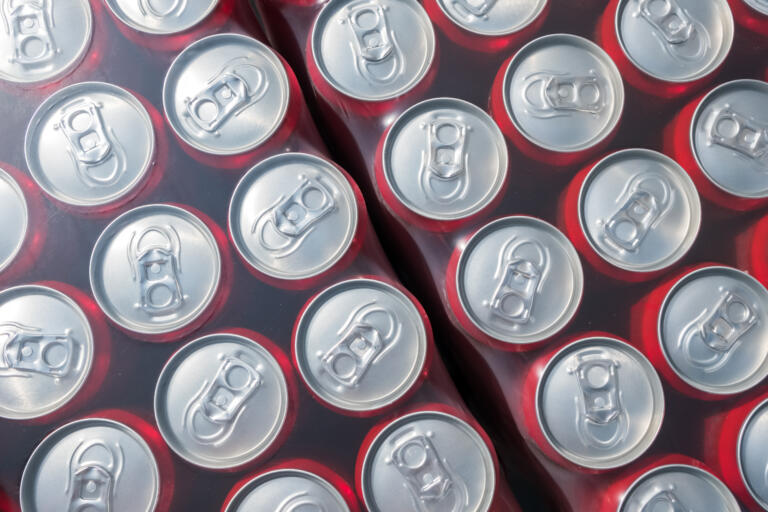
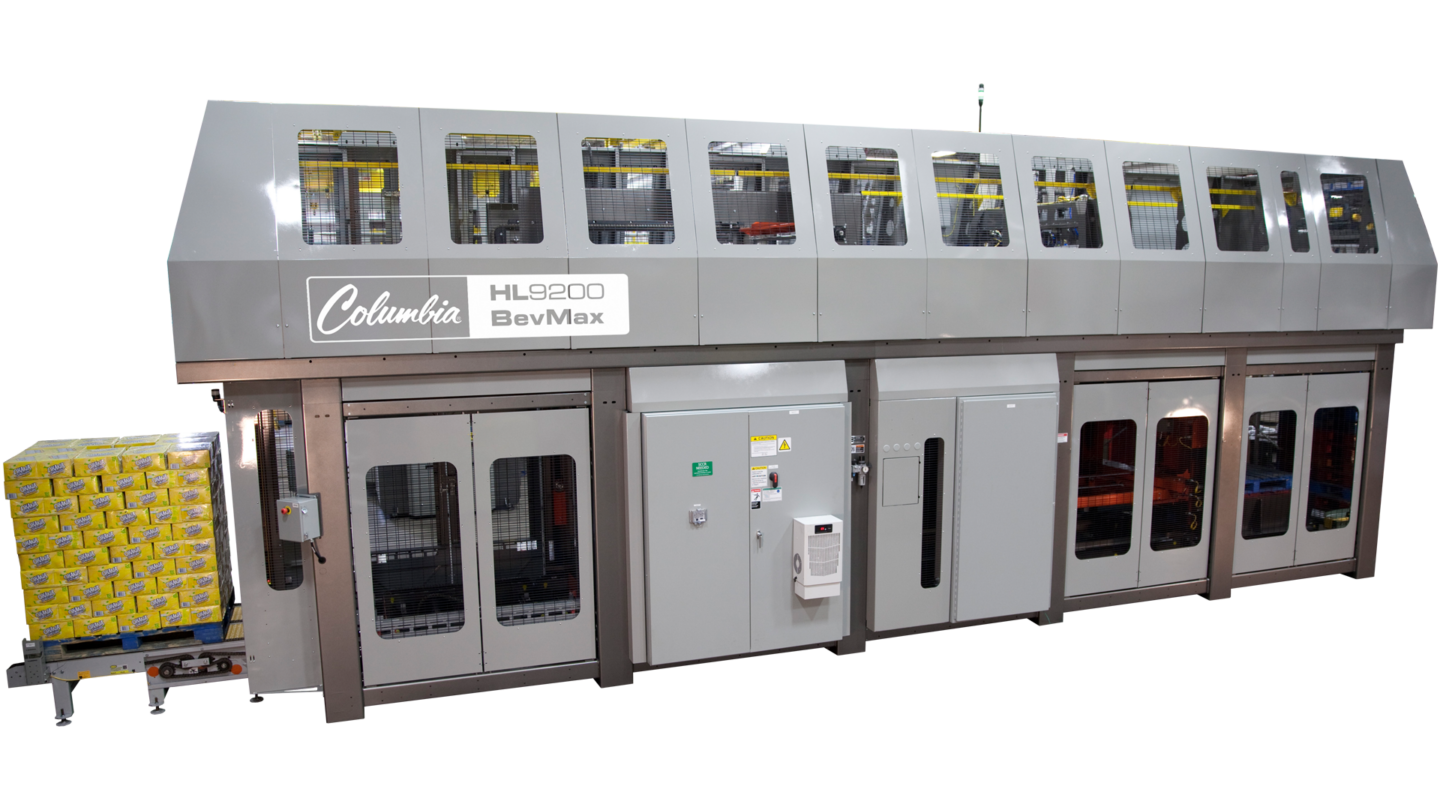
Beverage
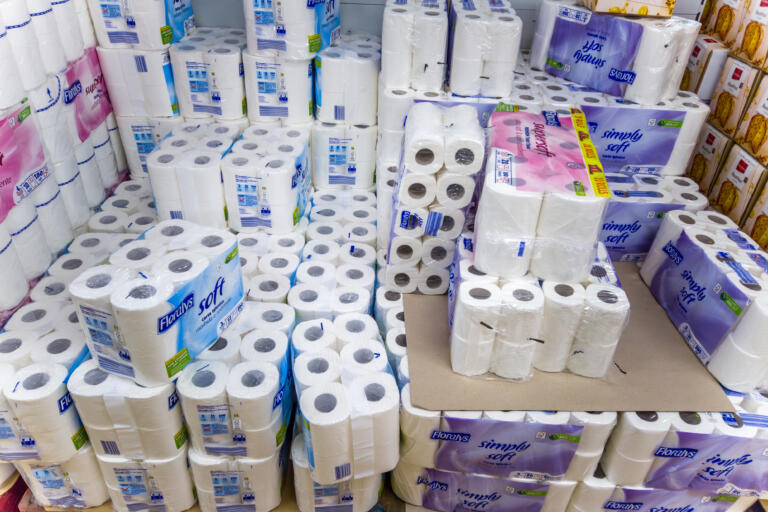
Tissue/Towel
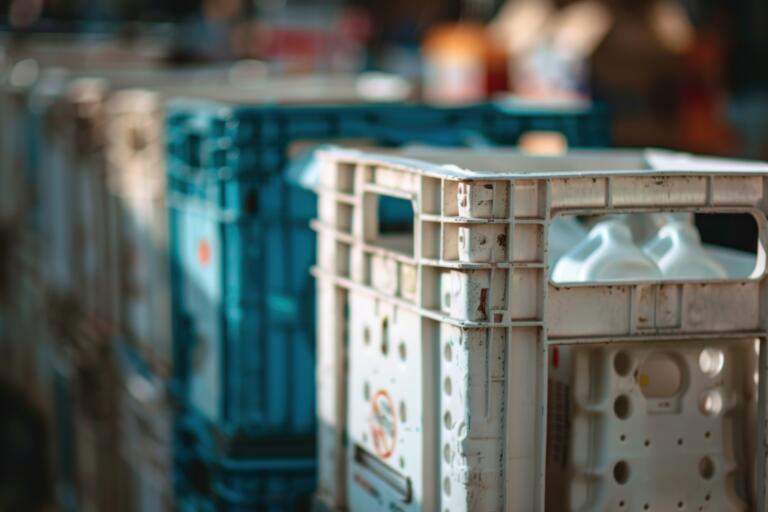
Dairy
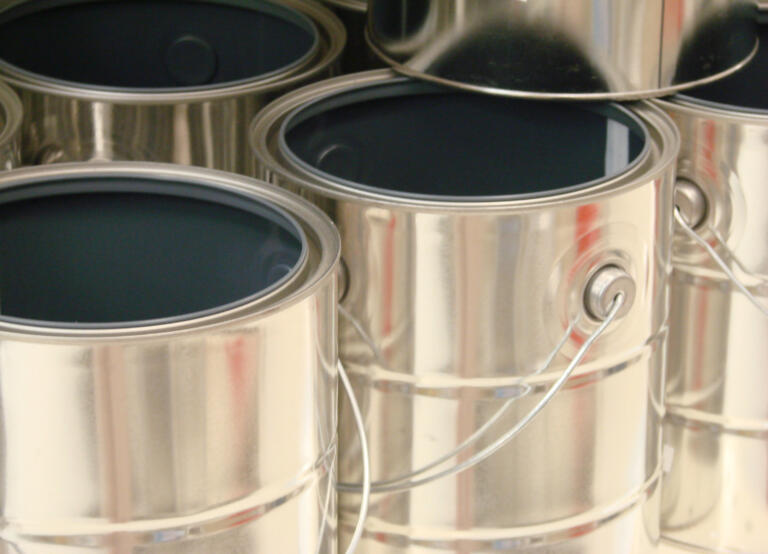
Paint

Chemical
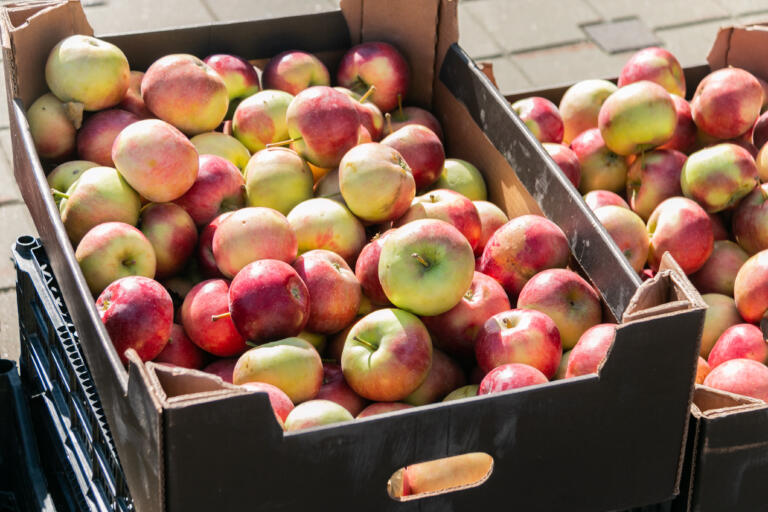
Fresh-Packed Produce
FAQs
What is a high speed in-line palletizer and how does it work?
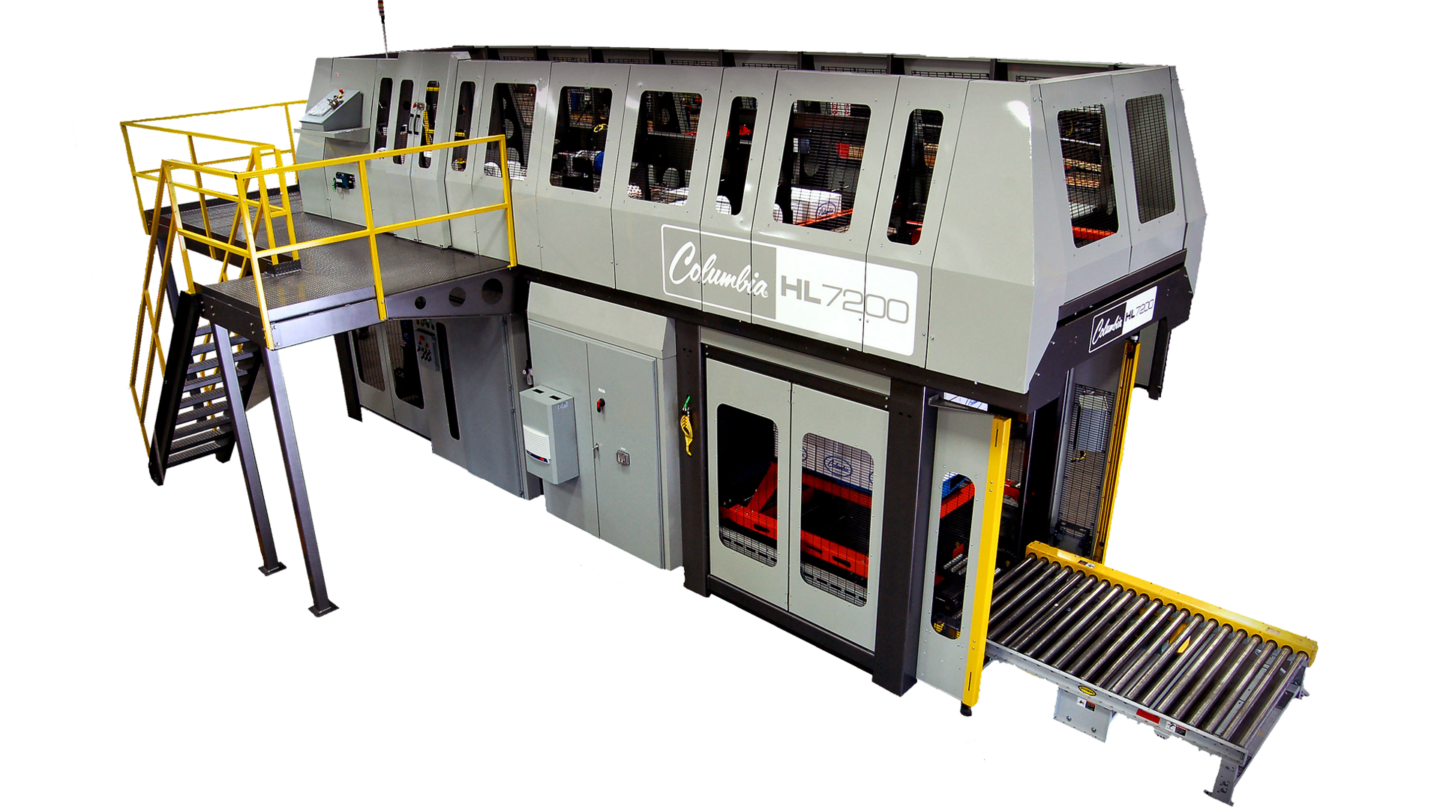
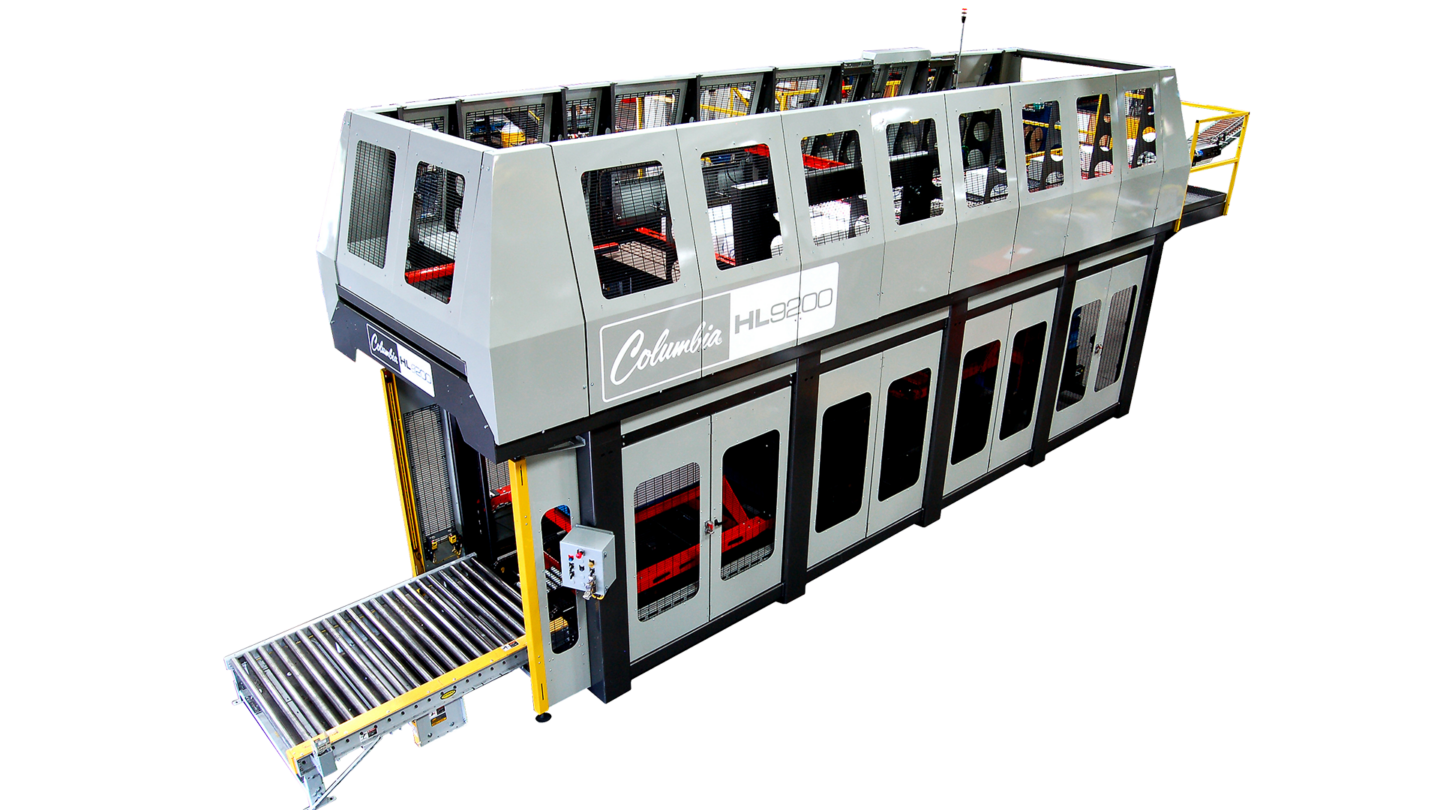
In-line palletizers use a continuous flow divider to guide products onto a layer-forming area. A hoist lifts an empty pallet to receive layers, lowering after each until a full load is built. Product infeed elevation typically ranges from 110″ to 145″.
What are the benefits of using a high speed in-line palletizer?
In-line palletizers are very high speed (pattern dependent). The case conveyor feeding an inline palletizer is essentially centered on the longitudinal access of the palletizer.
What are the key features of a high speed in-line palletizer?
Most High Level infeed palletizers bring product into the machine at roughly 110″ to 145″. Specific patterns are created by orienting packages to form layers of product. Complete loads are built by placing the desired number of layers on top of one another.
How can I determine the right size of high speed in-line palletizer for my operations?
Palletizer sizing is a function of desired production rate (cases per minute), layer patterns and machine and facility layout.
How does a high speed in-line palletizer improve production efficiency?
Automating the end of a production line is a necessity when the rate is too high for workers to safely build loads of finished goods by hand, when the finished load is somewhat tall (above shoulder height) or if there is a risk to injury due to repetitive motion activity.
What are the maintenance requirements for high speed in-line palletizers?
Maintenance requirements are very low but will vary by application to some degree. Operations that are somewhat dusty or that run 3 shifts per day and 7 days a week will require more frequent maintenance. Typical annual maintenance may include conveyor drive belt replacement or perhaps a cylinder seal or a sensor replacement.