

Safety
Industry-leading Category 3 safety package is one of many ways Columbia safeguards your team, making sure every day is safe and productive.
Flexibility
Safer, cleaner and faster than other load transfer devices.
Performance
Helps meet FSMA, HACCP and GMP compliance.
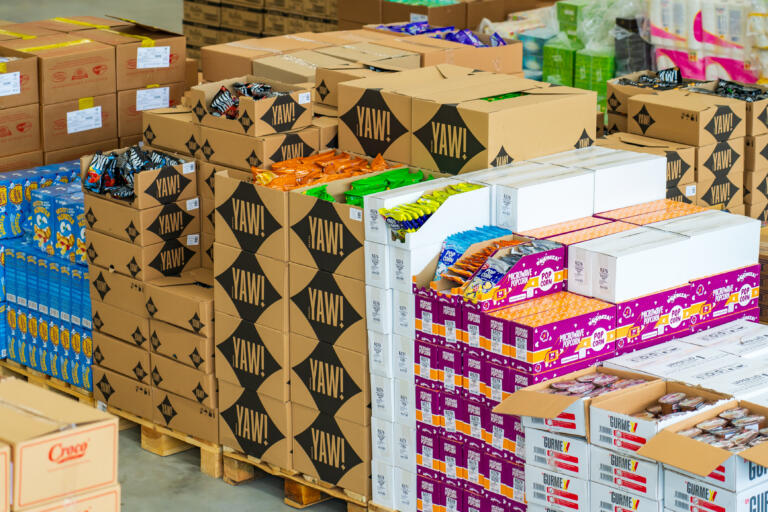
Food

Beverage
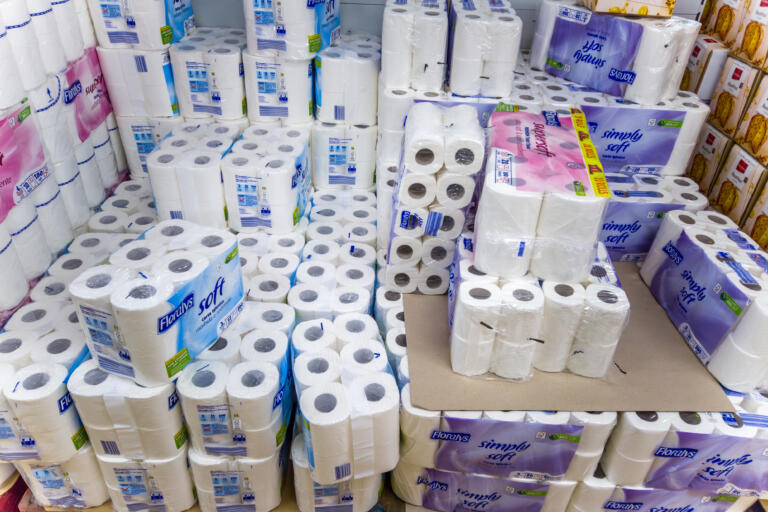
Tissue/Towel
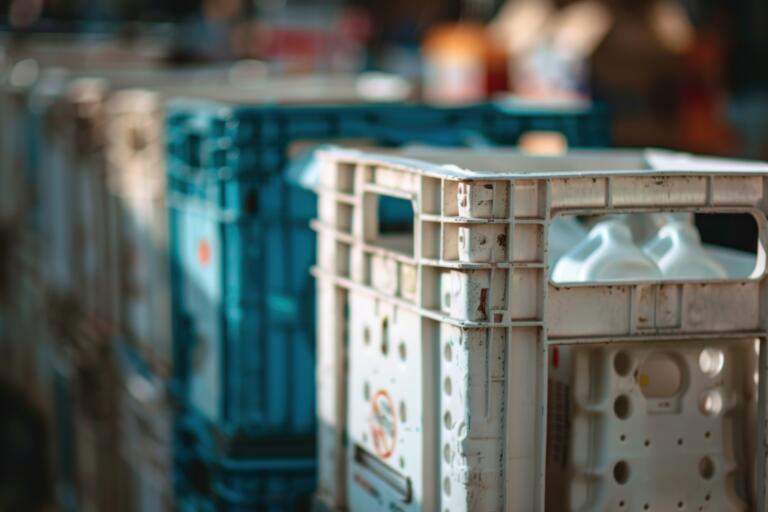
Dairy
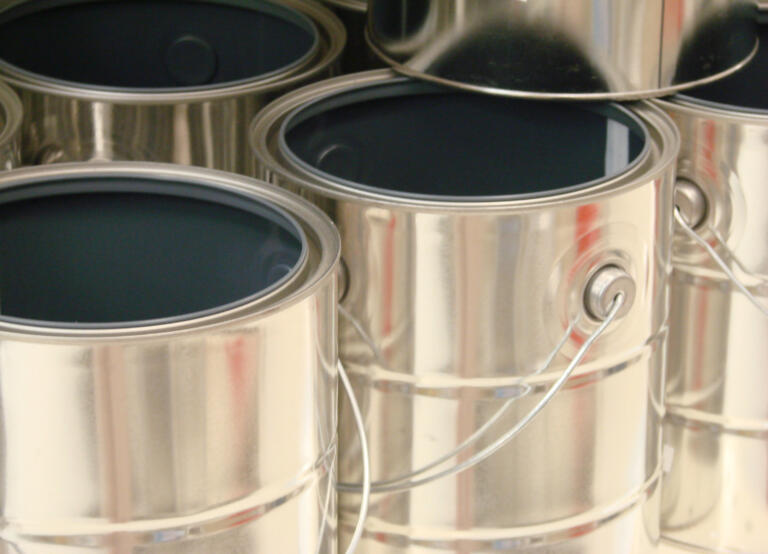
Paint

Chemical

Fresh-Packed Produce
FAQs
What is a load transfer station and how does it work?
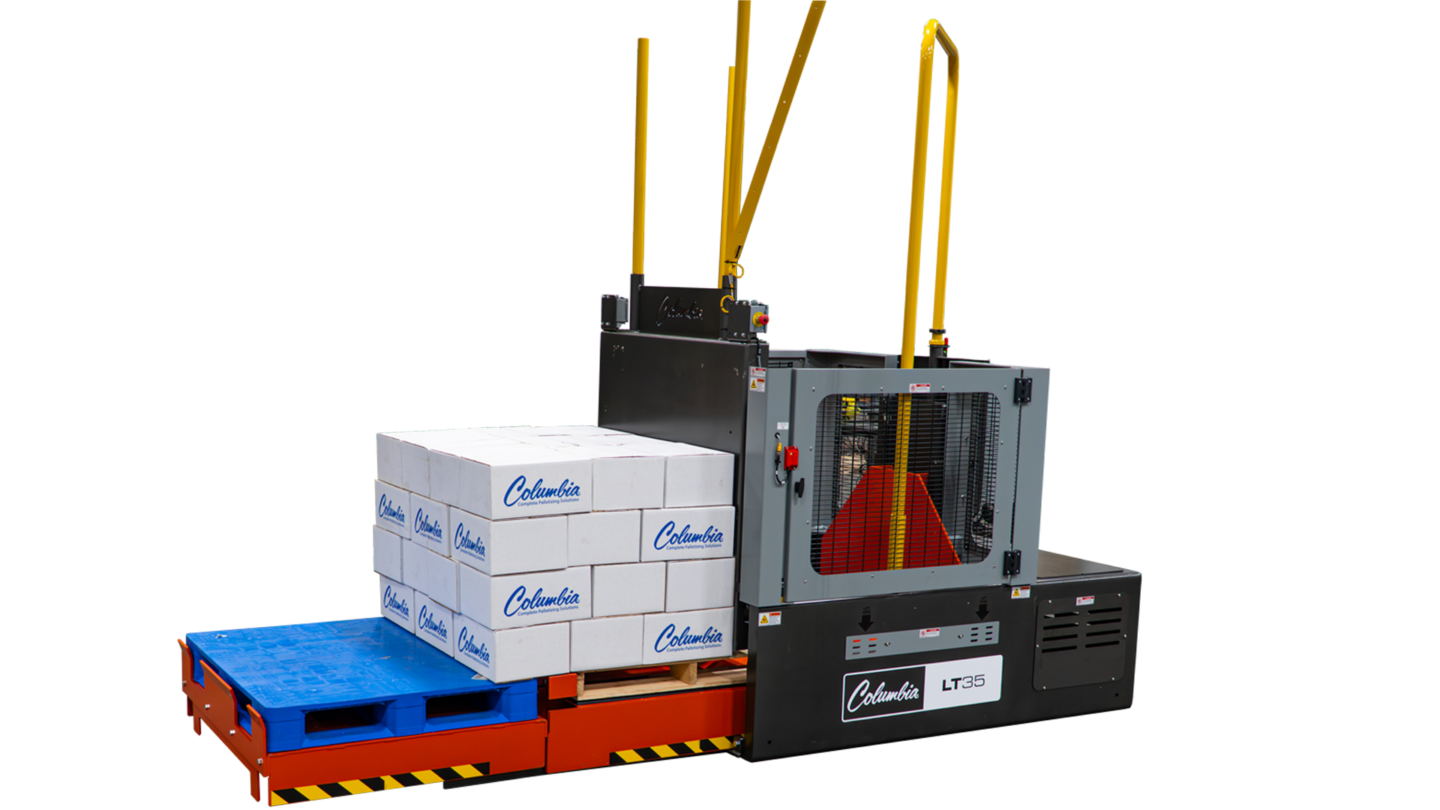
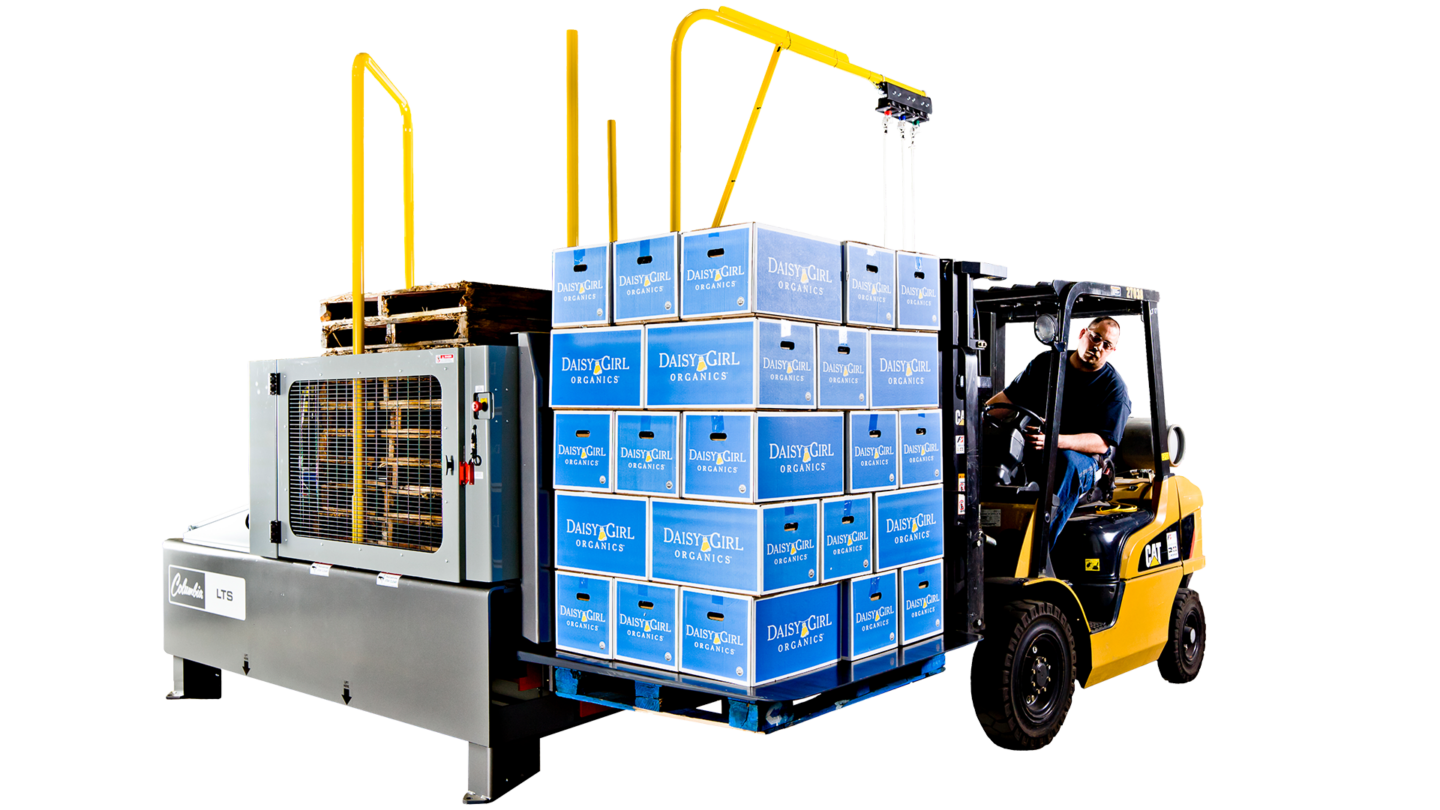
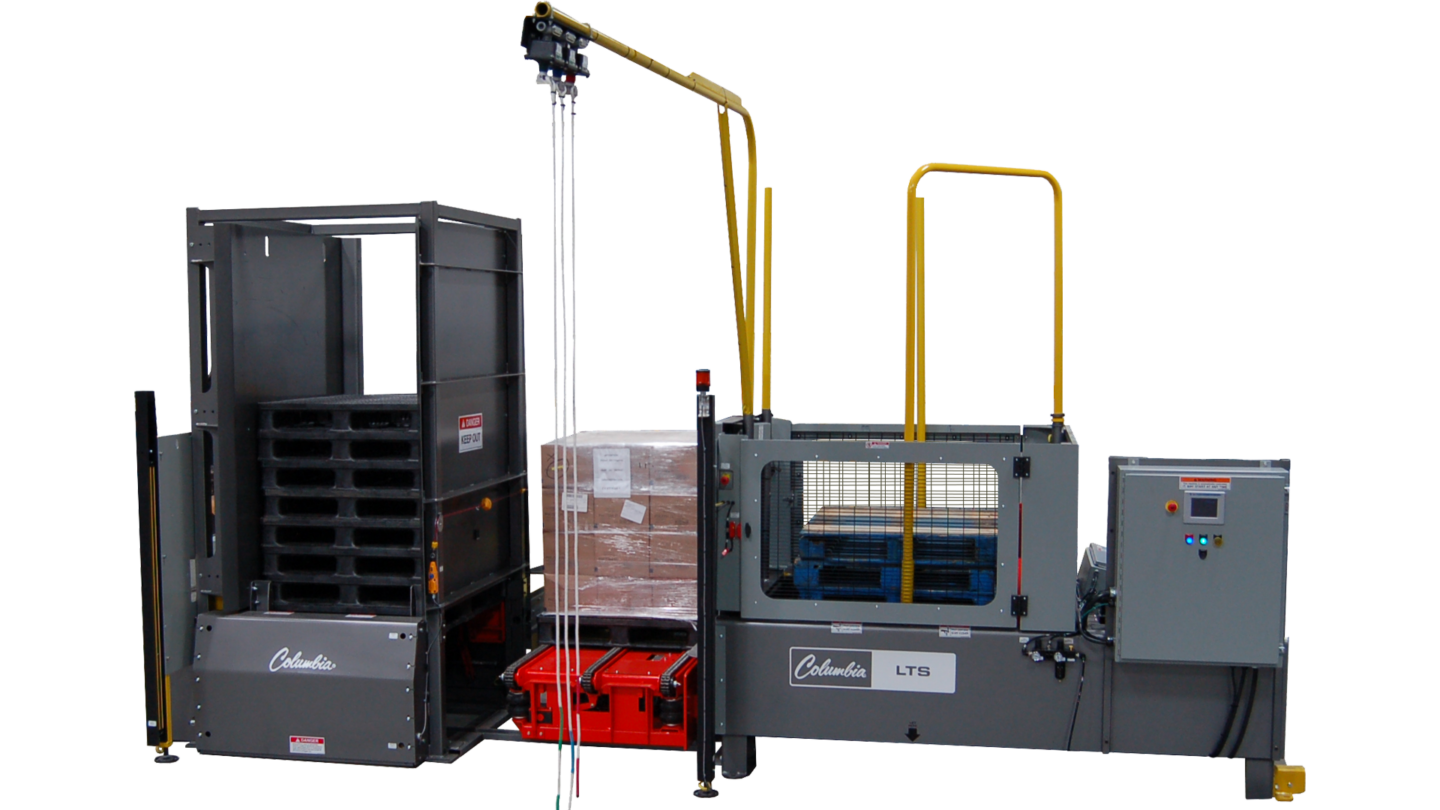
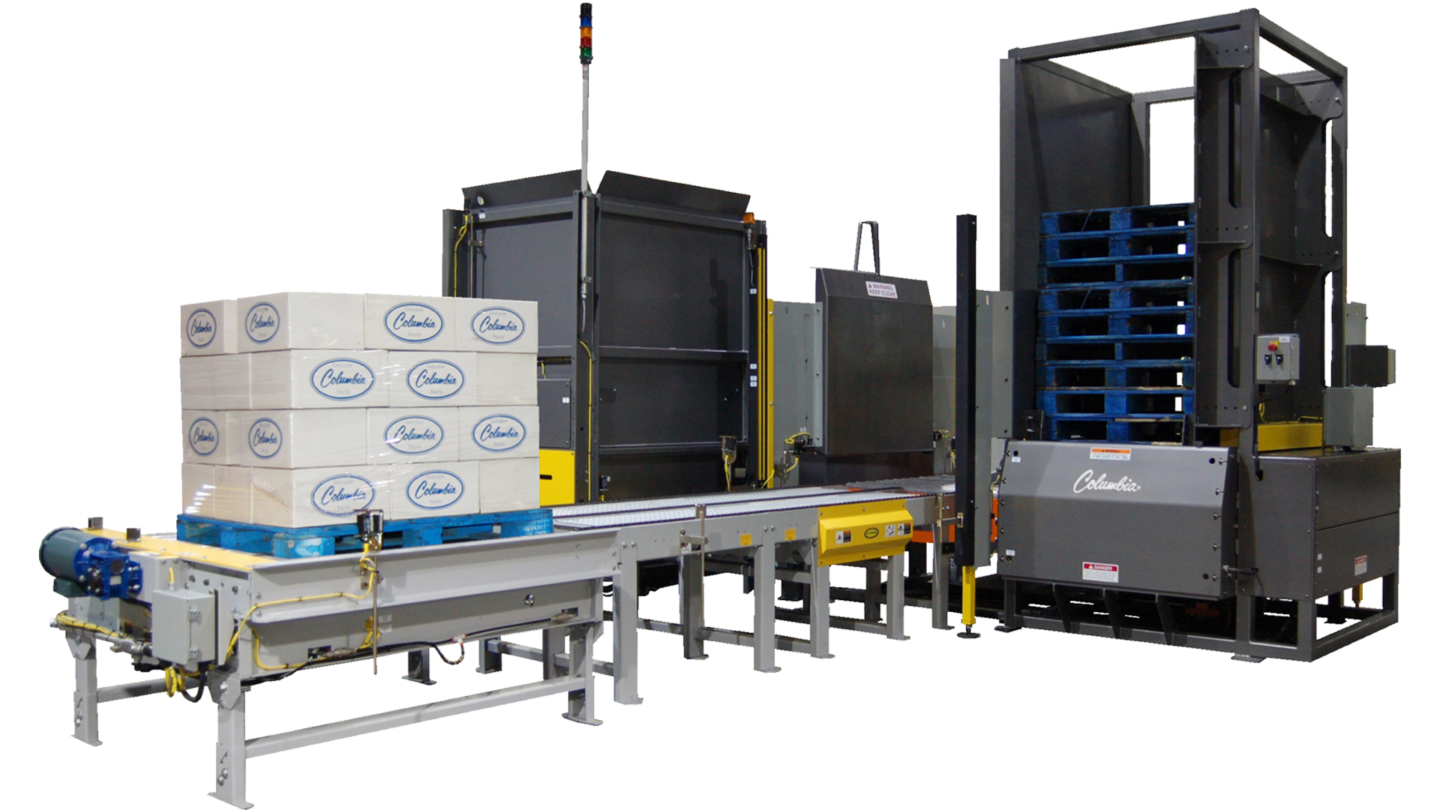
A Load Transfer Station safely and gently transfers loads from one type of pallet to another. This can be from one style of pallet to another, pallet to slip sheet, pallet to pallet board or in-house pallet and more.
What are the benefits of using a load transfer station?
A Load Transfer Station can help minimize repetitive motion workplace injuries, aid in GMP, HACCP, FSMA compliance and help reduce shipping costs.
What are the key features of a load transfer station?
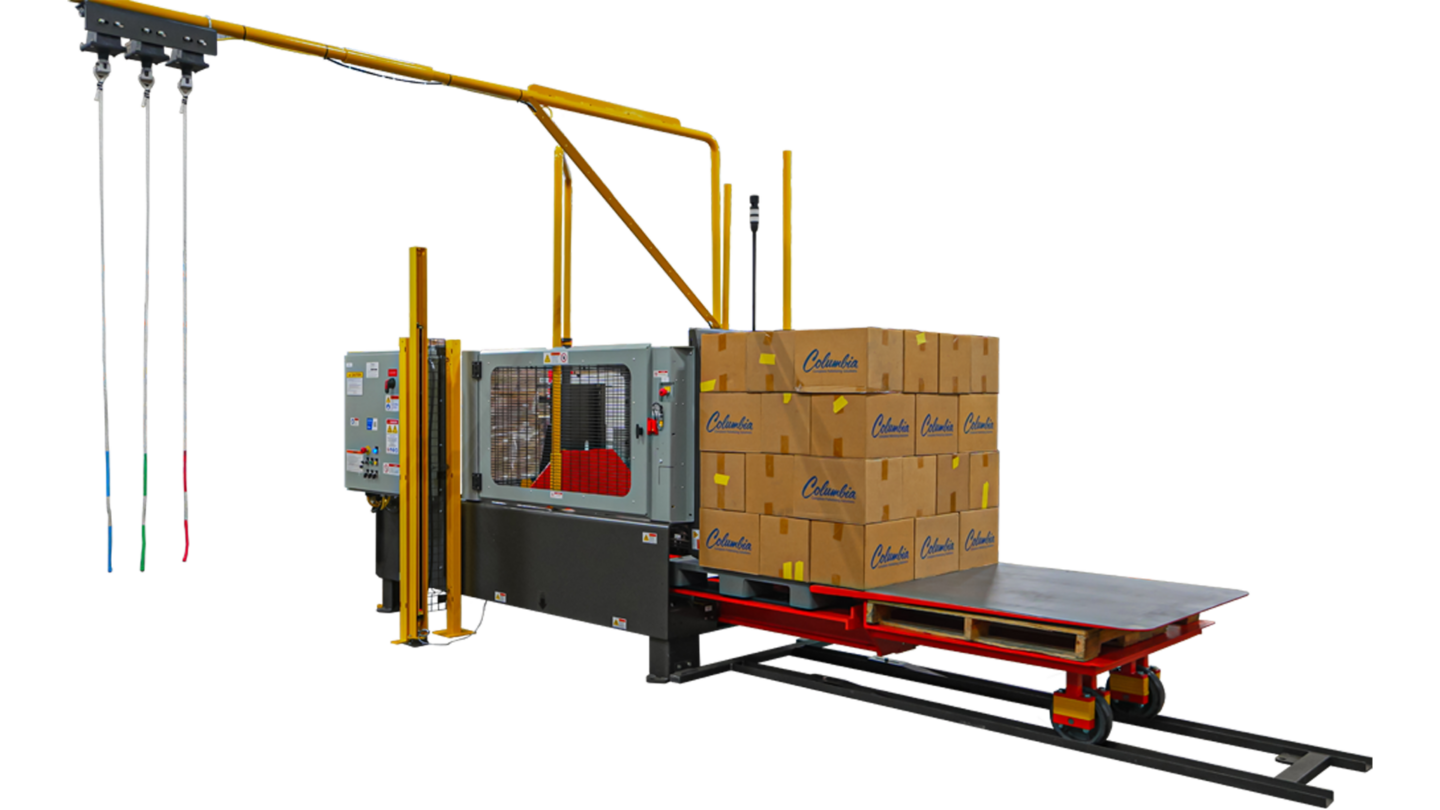
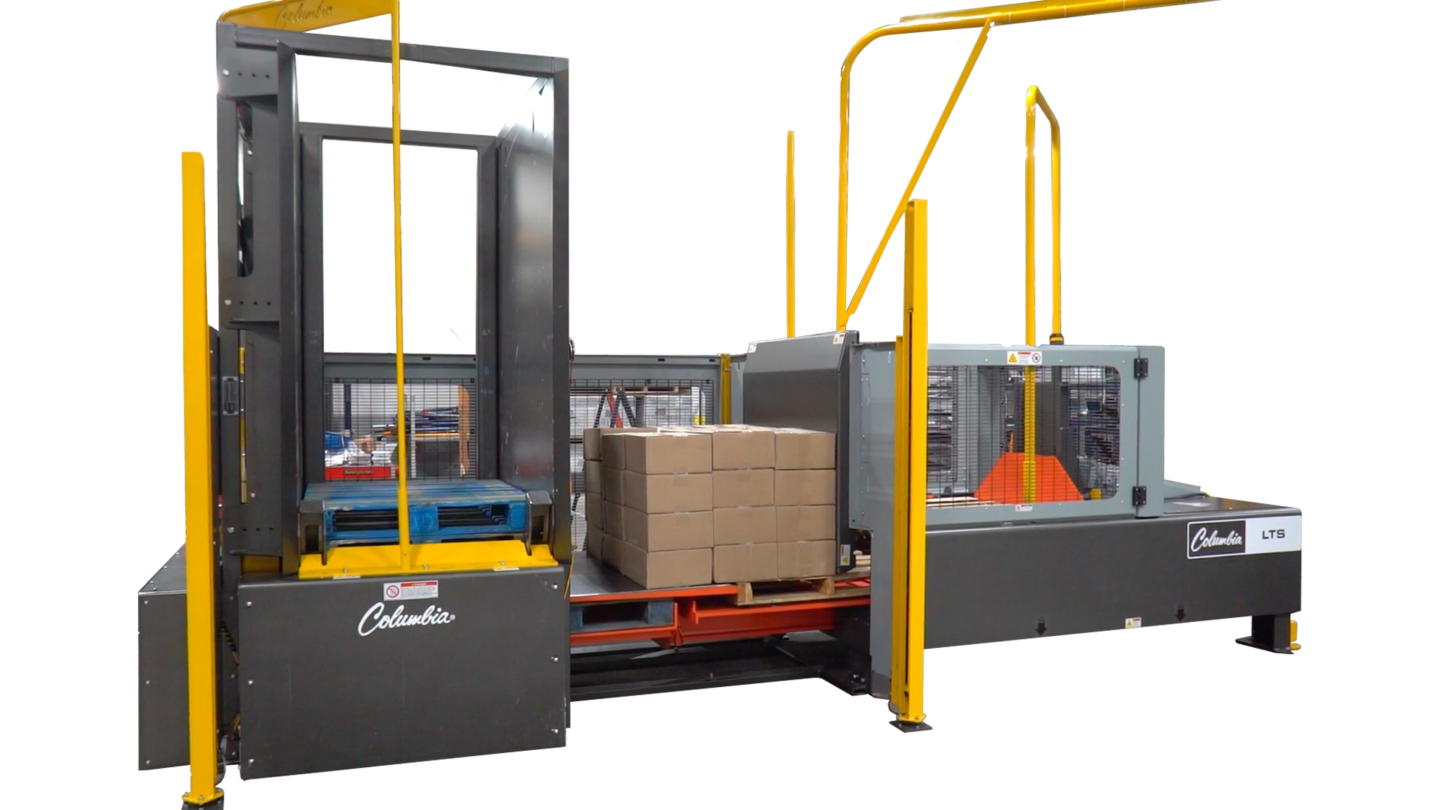
The Load Transfer Station slides the “Go From” pallet from beneath a load onto a steel transfer plate, which then retracts, gently settling the load onto a new pallet or load base with smooth and precise placement.
How can I determine the right size of load transfer station for my operations?
Load Transfer Stations (LTS) can be semi or fully automatic. Semi-automatic models require forklifts for loading/unloading, while transfer is automated. Fully automatic systems handle both infeed and outfeed without manual intervention. Machine size varies based on automation level and load-handling needs.
How does a load transfer station improve material handling efficiency?
By eliminating manual labor often used to transfer loads, a Columbia Load Transfer Station can transfer a load in less than 60 seconds.
What are the maintenance requirements for load transfer stations?
The main maintenance task for a Load Transfer Station is daily removal of wood debris from used pallets. Additionally, periodically check the hydraulic fluid’s level and condition to ensure proper system performance and avoid unplanned downtime.